




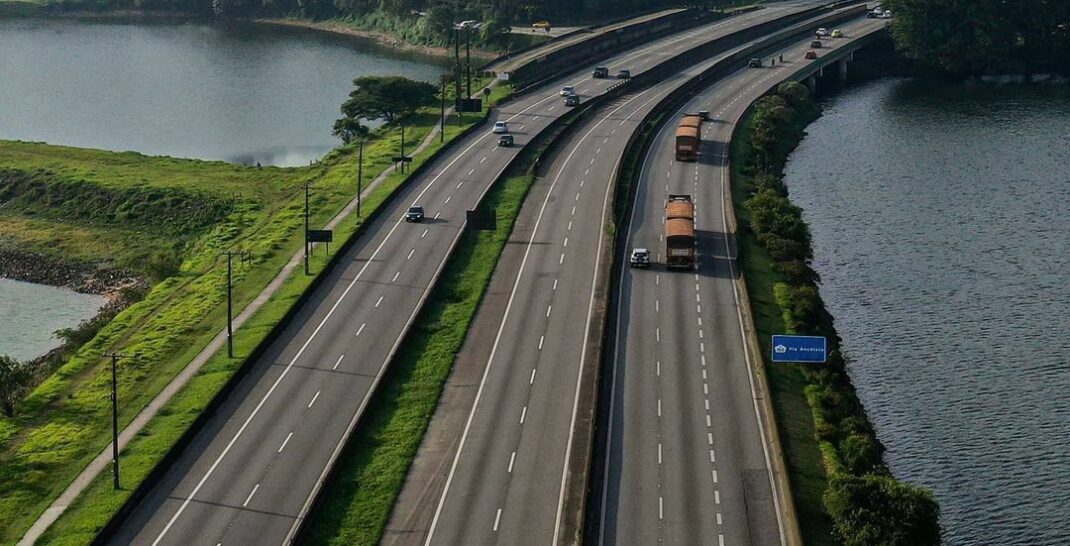
In real estate, timing and location define profit. The biggest returns are rarely made in already saturated city centers. They are made in emerging corridors — before infrastructure is completed, before demand peaks, and before prices surge.
Smart investors do not chase headlines. They study development patterns, infrastructure announcements, and economic shifts. By the time the general public notices growth, early investors have already secured their positions.
This blog explores how to identify high-growth land corridors early and invest strategically.
Understanding the Real Estate Growth Cycle
Every high-performing real estate corridor follows a predictable cycle:
-
Announcement of infrastructure or industrial development
-
Initial investor entry
-
Gradual connectivity improvement
-
Rise in residential and commercial demand
-
Rapid price appreciation
-
Market maturity
The key is to enter between stages one and three — when pricing is still attractive and long-term potential is high.
Follow Infrastructure Announcements Closely
Major infrastructure projects are the strongest triggers for land appreciation. These may include:
-
Highway expansions
-
Metro rail extensions
-
Industrial corridors
-
Airport upgrades
-
IT or manufacturing clusters
Land located within proximity to such projects often experiences value growth even before completion. Investors who monitor government development plans and budget allocations gain an advantage.
Look for Employment Hubs
Real estate growth follows jobs. Whenever a region develops strong employment centers — whether in technology, manufacturing, pharmaceuticals, logistics, or aerospace — housing demand rises naturally.
Employees seek nearby residential options. Retail and commercial spaces follow. Schools and hospitals develop. As population density increases, land values climb.
Studying where job creation is accelerating helps identify future growth zones.
Evaluate Connectivity, Not Just Location
Distance alone does not determine value. Connectivity does.
A plot 25 kilometers from the city center with direct highway access may outperform a plot 15 kilometers away with poor road infrastructure.
Key connectivity indicators include:
-
Access to highways
-
Proximity to metro stations
-
Travel time to major business districts
-
Road width and future expansion plans
Improved connectivity reduces commute time, increasing buyer interest and boosting long-term appreciation.
Study Social Infrastructure Development
High-growth corridors evolve in stages. After infrastructure and employment hubs develop, social infrastructure follows:
-
Schools and universities
-
Hospitals and healthcare centers
-
Shopping complexes
-
Entertainment zones
The presence of planned social amenities indicates long-term sustainability of the location.
Observe Developer Activity
Reputed developers entering a corridor often signal confidence in long-term potential. When multiple organized plotted developments are launched in a region, it indicates structured growth rather than speculative activity.
Professional development also improves infrastructure standards and increases buyer trust.
Understand Entry Timing
Early investment usually carries lower entry cost but requires patience. Late-stage investment offers lower risk but limited appreciation.
The ideal window is when:
-
Infrastructure is announced or under construction
-
Land pricing remains reasonable
-
Basic connectivity exists
-
Large-scale commercial development is expected
This stage provides a balance between risk and reward.
Focus on Long-Term Holding
Land investments typically perform best over 5 to 10 years. Infrastructure takes time to complete. Market confidence builds gradually.
Short-term speculation may lead to disappointment, but strategic long-term holding can generate significant capital growth.
Risk Management and Due Diligence
Before investing, ensure:
-
Clear legal title
-
Proper approvals
-
Verified zoning classification
-
Transparent documentation
Professional legal verification is always recommended when purchasing land.
Conclusion
The difference between an average investor and a successful land owner lies in foresight. High-growth corridors rarely appear overnight. They develop through infrastructure, employment, connectivity, and structured planning.
Investors who learn to read these signals early position themselves ahead of the curve. Instead of following trends, they create opportunity.
In real estate, the biggest profits belong to those who buy land before the crowd arrives.